
The W108-Generation 280 S: Why Luxury Cars Don’t Feel the Same Today
A half-century ago, the Mercedes-Benz 280 S set the standard for what a “Sonderklasse” automobile should embody—a harmonious blend of old-world comfort, solid construction, and understated elegance. As a professional automotive reviewer and consultant with over a decade of experience in classic and luxury vehicles, I can attest that the W108’s appeal transcends nostalgia. It represents a design philosophy where plushness wasn’t just a selling point; it was the core engineering principle.
This premium sedan stands in sharp contrast to the modern automotive landscape, where manufacturers often prioritize technological integration and rigid, performance-oriented seating over the languid, stress-free ride that defined this era of motoring.
The W108: A Benchmark of Classic Mercedes-Benz Craftsmanship
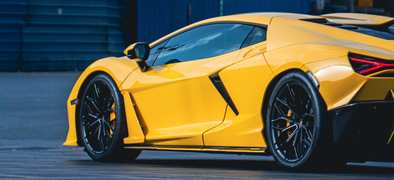
When sliding behind the wheel of a classic Mercedes-Benz such as the W108-generation 280 S, the difference is palpable from the moment the door closes. It is the satisfying thunk, the precision of the gear selector, and the deliberate, solid feel of every control surface that communicates the quality of the engineering. This is the essence of the Sonderklasse (Special Class)—a philosophy that prioritizes the driver’s and passengers’ comfort above all else.
The suspension system is a masterclass in ride isolation. Unlike the stiff, highly tuned setups found in many contemporary luxury vehicles, the W108 utilizes a sophisticated linkage design that effectively absorbs road imperfections. This is complemented by the seats—actual plush armchairs that offer unparalleled comfort over long distances. Modern automotive seating tends to favor heavy lateral support with deep bolstering to hold the occupant in place during aggressive maneuvers. In contrast, the W108 features a wide, yielding base that conforms to the body rather than gripping it. While these seats would feel overly soft to someone accustomed to modern ergonomics, they were designed for high-speed cruising where long-haul relaxation was the primary goal.
The engineers’ intent is clear: provide a serene driving experience where the cabin remains quiet and the engine’s delivery feels smooth and linear. This focus on low-end torque, rather than peak horsepower, ensures a relaxed driving rhythm.
When reviewing cars of this vintage, I often note how Mercedes-Benz approached the interior differently. The seats in the 280 S feature multiple layers of springs with varying metal gauges, a design choice that reduces fatigue on extended drives. While they won’t hold you in place during hard cornering, the sheer comfort they provide serves as a physical reminder of how automotive seating priorities have shifted over the past fifty years. This mechanical quality is a cornerstone of what makes a Mercedes feel special; it’s the tactile experience of the vehicle’s operations that sets it apart.
Creamy Power Delivery and Balanced Handling
Under the hood, the 280 S model features a 2.8-liter inline-six engine equipped with dual carburetors. Factory-rated at 138 horsepower and 164 lb-ft of torque, these figures might seem modest by today’s standards. However, with peak torque available at 3,600 rpm, the engine feels torquey and responsive without requiring aggressive revving.
The engine’s power delivery is best described as ‘creamy’. It lacks the raw edge of a high-revving six-cylinder from a rival German manufacturer of the same era; instead, it provides steady, predictable power. This was a car designed for long-distance touring, where passenger comfort was paramount. You can accelerate to highway speeds without excessive noise or the engine hunting for torque, a testament to the meticulous engineering of the era.
While the W108 isn’t a dynamically focused sports sedan, it remains a confident handler. It avoids the soggy, wallowing ride of some contemporary luxury cruisers. The steering, although large in diameter by modern standards, provides decent feedback with minimal effort thanks to power assistance. Body roll is present but measured; the car doesn’t feel unstable but rather embraces its size.
We must consider the vehicle’s weight, which, at around 3,439 pounds, is comparable to a modern mid-size sedan. It is approximately 300 pounds lighter than its successor, the W116. While describing the W108 as ‘agile’ would be an exaggeration, it handles with a surprising degree of composure, particularly once the driver adjusts to the scale of the machine. As a reviewer, I’ve learned to appreciate that these cars prioritize comfort over agility, offering a ride that makes long-distance drives feel effortless and unhurried.
What This Means for You
For those considering a purchase, the 280 S offers a unique perspective on what constitutes luxury. While modern cars are technologically advanced, they often lack the tactile, analog feel of this Mercedes-Benz. Buying a W108 is not just about owning a piece of automotive history; it is about investing in a driving experience that emphasizes comfort, isolation, and solid craftsmanship—qualities often missing in today’s performance-oriented vehicles.
Should You Buy, Wait, or Rent/Invest?
The decision to buy a 280 S depends entirely on your personal preferences. If you prioritize a serene, luxurious ride over aggressive performance, this car is an excellent choice. The vintage driving experience is an investment in itself, offering a sense of connection to the road that many modern cars fail to provide.

Best Financial Strategies Right Now (2026)
In 2026, luxury car valuations remain strong, but the market is evolving. I recommend looking for well-maintained examples with documented service history, as these will appreciate the most. If you’re considering a purchase, ensure you have a qualified mechanic who understands these older vehicles, as maintenance costs can be higher than for a modern luxury car.
Cost Breakdown / Pricing Impact
While precise pricing varies based on condition, mileage, and originality, a well-maintained 280 S can cost anywhere from $20,000 to $35,000. Maintenance and repair costs, however, are the real variable. Parts are generally available through specialist vendors, but labor costs can be significantly higher than for a modern car. Always factor in at least 10% of the purchase price for immediate repairs or upgrades.
Mistakes to Avoid That Could Cost You Money
One common mistake is purchasing an unrestored example at a bargain price. The costs to restore these cars to their former glory are significant. Additionally, be wary of modifications that detract from the car’s originality, as these reduce the car’s value. Finally, ensure you have a reliable mechanic who understands these older cars; a misdiagnosis could lead to expensive repairs.
A Classic With Modern Usability
Despite being half a century old, the 280 S remains remarkably suitable for contemporary driving conditions. The smooth, torquey engine allows you to keep up with traffic, while the hushed cabin rivals even modern luxury vehicles in noise isolation.
With servo-assisted brakes, power steering, and modern amenities like air conditioning (though this model features a period-correct retrofit), the car can function as a daily driver, provided the owner is comfortable with older mechanical systems. This blend of vintage luxury and modern convenience is a rare combination in cars of this age.
The Enduring Legacy of the Three-Pointed Star
This W108’s blend of old-world luxury and longevity is why the Mercedes-Benz brand has achieved global recognition for quality. The “hallmarked seal” of this marque is embedded not just in the hearts of car enthusiasts, but in the broader culture as well. Spending time behind the wheel of this 280 S reaffirms why this is the case.
It serves as a poignant reminder that while not being a jack of all trades, the W108 specializes in a specific form of luxury that seems to have disappeared from the modern automotive landscape. Today’s luxury cars are equipped with large wheels, adaptive suspensions, and sport modes—admirable engineering feats that allow a single vehicle to serve multiple purposes. However, this versatility often comes at the cost of character.

And if there is one thing you can attribute to any Mercedes-Benz of this era, it is the sense of uniqueness and specialness they instill in the driver. Placing myself behind the wheel, I can honestly say that even blindfolded, you would recognize this as a Mercedes-Benz—a testament to the unmistakable uniqueness of their product offering. Can the same be said of modern cars? It’s a point worth considering for those investing in classic vehicles today.