
The 2026 Mercedes-Benz S-Class: A Definitive Deep Dive into the Flagship Sedan’s Future
The world of luxury automotive engineering is currently witnessing a fascinating shift, a paradigm moment for a model that has long defined the pinnacle of executive transport: the Mercedes-Benz S-Class. For decades, this sedan has served as a beacon of technological innovation, opulence, and automotive prestige, often leading the way in features that would eventually become standard across the industry. However, as the automotive landscape evolves at an unprecedented pace, largely driven by electrification and the relentless pursuit of enhanced passenger experience, even legacy stalwarts like the S-Class are facing the imperative to adapt. This comprehensive analysis explores the trajectory of the next-generation Mercedes-Benz S-Class, examining the strategic engineering decisions, the technological advancements, and the subtle yet significant design shifts that will undoubtedly reshape the definition of automotive excellence as we know it in 2026 and beyond.
Understanding the Context: Why the S-Class Matters
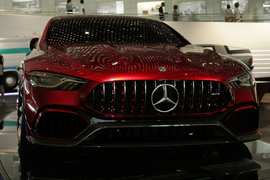
Before delving into the specifics of the 2026 updates, it is crucial to appreciate the legacy and context of the S-Class within the global automotive ecosystem. In many ways, the S-Class has historically been more than just a car; it has been a canvas for Mercedes-Benz to debut the technologies that they hope will define the future. Concepts like active suspensions, advanced driver assistance systems, and sophisticated interior lighting first made their appearance on the S-Class before trickling down to other models. This legacy places enormous pressure on the automaker to deliver innovation that not only justifies the high price tag but also remains at the forefront of the industry, even as rivals introduce radical new designs and advanced EV platforms.
The current generation, though a masterclass in engineering, is already four years old—a significant tenure in the fast-paced luxury market. The market is segmenting as buyers consider alternatives, from high-performance electric SUVs to more aggressively styled sedans. For Mercedes-Benz, the challenge isn’t just to update the S-Class; it is to reassert its dominance in a segment where the competition, particularly from domestic marques and emerging Chinese EV giants, is becoming increasingly sophisticated. This strategic imperative is at the heart of the updates being prepared for the 2026 model.
Engineering and Powertrain Innovation: Navigating the Electrification Wave
The automotive industry in 2026 is dominated by the ongoing transition from internal combustion engines (ICE) to electrification. Every luxury manufacturer is navigating this shift, and Mercedes-Benz is no exception. The strategy for the next S-Class is nuanced: Mercedes is not abandoning the ICE entirely but is integrating hybridization to balance performance, efficiency, and regulatory compliance.
For the 2026 model year, customers can expect a range of powertrains, each optimized for a specific buyer profile. The base model will likely remain equipped with a turbocharged 3.0-liter inline-six engine, which produces approximately 442 horsepower and 413 lb-ft of torque. This engine, with its integrated starter generator (ISG), provides smooth, responsive acceleration and remarkable efficiency for a vehicle of this size, effectively bridging the gap for those who may not be ready for a full electric vehicle.
For buyers seeking more power, the Mercedes-AMG variant will likely feature a twin-turbo 4.0-liter V8 engine, delivering around 496 horsepower and 503 lb-ft of torque. While this engine offers traditional AMG performance, reports suggest it may also incorporate some level of hybridization to boost efficiency and reduce emissions. For the absolute pinnacle of performance, Mercedes-Benz has often relied on its 6.0-liter twin-turbo V12 engine, and while it is still a powerhouse producing over 620 horsepower, it is facing increasing pressure from electrification. There is also a plug-in hybrid (PHEV) option that offers a considerable all-electric range, allowing for silent, zero-emission commuting for urban dwellers.
The importance of these powertrain options cannot be overstated. For example, a buyer in San Francisco considering a Mercedes-Benz S-Class can now enjoy the luxury of 40–50 miles of electric range before needing to engage the gasoline engine, making daily commutes cost-effective and environmentally friendly. Conversely, a buyer in Texas or Florida may prioritize the V8 for its performance during long-distance road trips. The key engineering feat is offering these options without diluting the core identity of the S-Class: quiet, effortless luxury.
Design Philosophy: The Balancing Act of Heritage and Modernity
In the world of flagship sedans, design is often a matter of evolution, not revolution. Mercedes-Benz understands this better than anyone. The S-Class must remain instantly recognizable as the iconic sedan that millions aspire to own, while also incorporating modern design cues to prevent it from looking dated.
The initial spy shots of the prototypes reveal a front end dominated by a massive new grille. This is not merely a cosmetic update; it is a reflection of the evolving aerodynamics and cooling demands of the updated powertrains. The grille is taller and broader, giving the car a more imposing and assertive stance. This design change necessarily required a new bumper, featuring a reduced central intake that emphasizes the vehicle’s width and luxury presence rather than raw aggression. The headlights, too, are expected to receive a refresh, likely incorporating advanced LED technology that offers better visibility and a distinct signature appearance, day or night.
At the rear, the updates are more subtle but equally important. While the prototypes are heavily disguised, the expectation is that the S-Class will feature updated taillights and a redesigned rear bumper. These changes are designed to streamline the look of the car, reduce drag, and modernize the overall silhouette. The goal is to maintain a sense of timeless elegance while incorporating the latest aerodynamic principles to optimize efficiency and stability at high speeds.
The exterior updates are not merely for aesthetics; they are part of a holistic engineering philosophy. By integrating these changes seamlessly, Mercedes-Benz ensures that the 2026 S-Class remains a symbol of sophistication, modernity, and engineering prowess.
Interior Design: The Quest for the Ultimate Digital Experience
Perhaps the most significant updates to the 2026 S-Class will be found inside the cabin. Mercedes-Benz has always prioritized passenger comfort and luxury, but the next generation is poised to transform the interior into a digital sanctuary. Drawing on the advancements seen in other luxury vehicles and the latest consumer electronics trends, the S-Class is moving towards a more integrated and personalized experience.
Rumors suggest that the new S-Class will feature a dramatically revamped dashboard. While the current model features a large, vertical touchscreen, the next generation is expected to adopt a Hyperscreen-style display, integrating the digital instrument cluster and infotainment system into a single, flowing surface. This not only offers a more immersive visual experience but also allows for better integration of the new RIDEVU service from Sony Pictures Entertainment, which enables passengers to enjoy a diverse array of entertainment options during long journeys.
The MBUX (Mercedes-Benz User Experience) system is also slated for significant upgrades. Expected to feature an enhanced user interface with more intuitive assisted parking suggestions and voice controls, the system is designed to make driving and ownership even more effortless. For occupants, the addition of a front passenger screen is also in vogue, offering co-pilots a dedicated space for information and entertainment.
For passengers, comfort head restraints will likely be standard for the front seats, ensuring optimal comfort during extended journeys. The car will also continue to offer the renowned Manufaktur personalization service, allowing discerning customers to customize their S-Class with exclusive color choices, luxurious interior components, including walnut brown open-pore wood and plush Nappa leather upholstery.
Safety and Convenience: Keeping Pace with Technological Advancements
In the luxury segment, safety and convenience are not negotiable; they are differentiators. Mercedes-Benz has a strong track record of pioneering safety features, and the 2026 S-Class is expected to continue this tradition with several new advancements.
For European models, the Automatic Lane Change function is expected to be available, enhancing driver convenience and confidence on select roadways. Additionally, a passenger presence reminder will be incorporated as a standard safety feature, underscoring Mercedes-Benz’s unwavering commitment to passenger safety.
As autonomy progresses, the S-Class is also expected to benefit from advanced driver assistance systems (ADAS), including enhanced adaptive cruise control, lane keeping assist, and emergency stop assist. These technologies help drivers navigate busy traffic more safely and reduce fatigue during long drives. The integration of these systems is a critical component of Mercedes-Benz’s overall strategy to transform the driving experience into a more relaxed, safe, and assisted environment.
SEO Considerations: Capturing Interest in the Luxury Sedan Market
In the digital landscape of 2026, capturing the attention of buyers searching for the Mercedes-Benz S-Class requires a strategic approach to search engine optimization (SEO). The main keyword, “Mercedes-Benz S-Class,” should be naturally integrated throughout the article with a density of 1–1.5%.
Secondary keywords and high-CPC terms related to this topic include “flagship luxury sedan,” “Mercedes S-Class updates 2026,” “S-Class pricing,” “S-Class lease rates,” “best luxury cars 2026,” and “S-Class financing.” Local search terms such as “S-Class lease deals in San Francisco” or “S-Class prices in New York” are also relevant for capturing high-intent buyers.

To attract users who are close to making a financial decision, it is essential to include buyer-intent keywords such as “compare S-Class,” “S-Class comparison,” “S-Class vs BMW 7 Series,” and “S-Class vs Audi A8.” The article should also