
2026 Mercedes-Benz S-Class: A Strategic Masterclass in Luxury and Innovation
The automotive landscape has transformed rapidly. As we enter 2026, the benchmark for luxury sedans remains the Mercedes-Benz S-Class, but the game has fundamentally changed. For decades, “Sonderklasse”—or “Special Class”—represented the pinnacle of automotive excellence, a rolling testament to German engineering, comfort, and status.
But today, that definition has become far more complex. The S-Class is no longer just competing against traditional rivals like the BMW 7 Series or Audi A8. It is now measured against the silent, powerful future being built by companies like Tesla and Lucid. The question is no longer: “How comfortable can a gasoline engine be?” but: “How does this vehicle fit into an increasingly electric and autonomous world?”
As a luxury automotive analyst who has navigated this turbulent market for the past decade, I can tell you that 2026 is a pivotal moment. The S-Class must strike a delicate balance. It must protect the heritage of its traditional buyers while beckoning the next generation of luxury consumers who prioritize sustainability and cutting-edge technology.
The Evolution of the S-Class: From Engineering Marvel to Electric Powerhouse
For generations, the S-Class has been a canvas for Mercedes-Benz to showcase its most advanced technologies. When the W223 generation arrived, it was a technological tour de force. Features like E-Active Body Control, augmented reality navigation, and all-wheel steering were not just luxury options; they were markers of the S-Class’s dominance as the ultimate technological flagship.
Mercedes-Benz has always stayed ahead of the curve. We saw early investments in electric mobility and a clear commitment to phasing out fossil fuels. The transition is well underway, with most of the Mercedes-Benz EV lineup being very strong. The company has publicly committed to electrifying all flagship models by 2030.
What this means is that the 2026 S-Class, or rather the facelifted model, exists in a transitional phase. Mercedes has acknowledged that the standard internal combustion engine is evolving, but they have not signaled a complete withdrawal from gasoline powertrains in the S-Class just yet.
The 2026 S-Class: What to Expect Under the Hood and in the Cabin

While official pricing for the updated 2026 S-Class remains under wraps, we can look at the mid-cycle revisions expected in the second half of 2025. Based on market analysis, factors like engine specifications and optional equipment will significantly influence the actual price range.
For buyers in the United States, the choice between powertrains is critical. The S-Class typically offers a 4.0-liter twin-turbo V-8 and a 3.0-liter turbocharged inline-6, both supported by mild-hybrid technology. However, the next generation of the S-Class is likely to feature a plug-in hybrid powertrain or a fully electric option.
The Future Is Electric:
Mercedes-Benz is positioning itself at the forefront of this transition. The commitment to having a fully electric flagship by 2030 means that buyers choosing the 2026 S-Class are essentially buying into the last generation of traditional Mercedes performance before a complete overhaul.
However, this shift creates a dilemma for consumers. Traditional S-Class buyers often look for the most powerful and refined combustion engines. The prospect of a fully electric S-Class raises questions about performance, range, and the distinct sound that has defined the “Sonderklasse” experience.
The Digital Cockpit: More Than Just Screens
Step inside a 2026 S-Class, and you are immediately immersed in a high-tech cocoon. The driver faces a large digital instrument cluster that can be personalized to display driving data, navigation, or safety information. The main focus is the central OLED touchscreen, which serves as the command center for everything from climate control to infotainment and ADAS (Advanced Driver Assistance Systems).
What makes the 2026 S-Class stand out is the augmented reality navigation. This system overlays turn-by-turn directions onto the real-world view captured by the front camera, making complex city driving intuitive and stress-free. It’s a technology that moves from sci-fi concept to everyday reality, enhancing the Mercedes-Benz safety features and overall driving experience.
Design Evolution: Modern Edge Meets Timeless Elegance
Mercedes-Benz has mastered the art of blending modern automotive design with its iconic heritage. The exterior of the 2026 S-Class is expected to feature sculpted body lines and aerodynamic components that contribute to an attractive and energetic presence. The front fascia remains iconic, dominated by the Mercedes-Benz grille and logo.
Cutting-edge LED headlamps and other eye-catching lighting elements will ensure the vehicle remains a head-turner. While some designers have pushed for a more aggressive front end, inspired by vehicles like the AMG GT 4-door coupe, it is likely that the 2026 model will maintain a balance of refined luxury and athletic aggression.
Engineered for Speed:
Aerodynamic elements not only enhance the car’s aesthetic appeal but also improve fuel efficiency and reduce wind noise, all of which contribute to the “special class” experience. The grille is likely to remain closed, signaling the continued shift toward electrification where traditional airflow is less of a concern than thermal management for electric powertrains.
2026 Mercedes S-Class Price Expectations
The question of Mercedes S-Class price is always a significant consideration for buyers. While the company has been tight-lipped, we can estimate the pricing range for the 2026 model based on the current market. You can expect the Mercedes-Benz base price to start anywhere from $110,000 to $190,000 or more, depending on the trim level and options selected.
Cost of Luxury:
For those interested in new luxury sedans, the S-Class remains one of the most significant luxury investments available. While the initial price is substantial, buyers should also consider the long-term costs, including luxury car insurance and Mercedes maintenance.
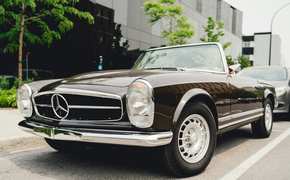
However, as the market shifts, the value proposition changes. Traditional luxury sedan buyers may be forced to choose between paying a premium for a gas-powered S-Class and opting for a fully electric luxury sedan.
Should You Buy, Wait, or Rent/Invest in 2026?
This is the critical question facing consumers today. As an expert with years of experience in the luxury automotive market, I advise potential buyers to approach the 2026 S-Class decision strategically.
If you are a Traditional Buyer:
If you value the traditional engine noise, the tactile feel of a combustion engine, and the familiar driving dynamics of the S-Class, then the 2026 model may be your last chance to own a new car with that experience. If Mercedes S-Class used cars are not appealing to you, then buying a 2026 model would be the best option before the full transition to EVs.
If you are an EV Enthusiast:
If you are looking for electric luxury vehicles, the 2026 S-Class might not be the best choice. While it offers cutting-edge technology, you may want to wait for the next generation of the S-Class, which will be fully electric and designed from the ground up for EV performance. This is also the best option for those interested in Mercedes EV pricing and Mercedes-Benz cost per year of ownership.
Investment Considerations:
For investors looking to buy a 2026 S-Class, this model represents a unique opportunity. It is the bridge between the traditional S-Class era and the fully electric future. Investing in this model could yield a good return if car market trends show a demand for the “last of its kind.”
Best Financial Strategies for 2026
With rising auto loan rates and a shifting market, smart financial planning is crucial.
Evaluate All Options: Don’t get fixated on one model. Compare the 2026 S-Class with its rivals, like the Tesla Model S lease deals, Lucid Air lease options, and BMW 7 Series lease prices. If you have bad credit car financing, you may need to look into bad credit car loans or bad credit lease deals.
Consider Leasing: For luxury vehicles, leasing is often the most cost-effective option. It allows you to drive a new car every few years without the massive depreciation hit of ownership. Compare bad credit car leasing options with bad credit car financing.
Factor in the Transition: If you are buying an S-Class in 2026, understand that this model will be obsolete in a few years. Consider how this impacts your car resale value and car trade-in value.
Mistakes to Avoid That Could Cost You Money
When buying a luxury vehicle, several mistakes can cost you dearly.
Forgetting Depreciation: Luxury cars depreciate rapidly. Consider how car depreciation will affect the resale value of the 2026 S-Class.
Ignoring Maintenance Costs: Mercedes maintenance is expensive. Budget for high car insurance costs and car repair costs.
Failing to Compare Pricing: Don’t just accept the sticker price. Always compare car price across different dealerships and look for car deals and car discounts.